The limits of independence
We are going to miss central bank independence when it is gone. It was hard-fought. Read more
Both the global financial crisis (GFC) of 2007-2008 and the Covid-19 pandemic caused disruptions to the world economy. During the GFC, stock markets plummeted, and millions of people became unemployed. Read more
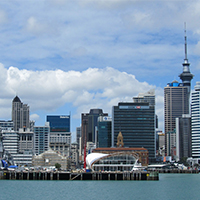
Earlier this week, epidemiologist and media personality Professor Michael Baker was reported saying, "It's hard to imagine any justification for lowering the alert level in Auckland." In case readers in Auckland think they have misread that, Baker didn't say, "It's a tight call, but on balance… ." The Professor said it's "hard to imagine any justification." Forget the hospitality businesses going to the wall. Or the hairdressers, beauticians and gym-owners defaulting on their mortgages. Read more
This week’s Financial Stability Report continues the Reserve Bank’s fascination with climate change. It says rising seas and changing weather patterns will lead to financial losses. Read more
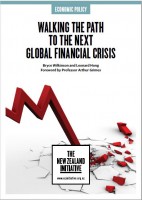
As the world is slowly emerging out of Covid-19, the next big crisis may already appear on the horizon. After bold fiscal and monetary packages to cushion the blow of the pandemic, inflation, stagflation and asset market disruption are dangers for the world economy. Read more
New Zealand must prepare for next global financial crisis New Zealand’s economy suffered less damage from the pandemic than analysts expected. But new research warns, however, that just as we are emerging from the COVID-19, a new crisis is already on the horizon. Read more
The government’s Three Waters reform aims to make sure Kiwis have access to safe drinking water, and to close an investment gap worth $185 billion. Another crucial matter for the reform, which has received little attention so far, is housing affordability. Read more
It will not just be the last General Council meeting of the European Central Bank for the year when it meets on December 2. It will also be the end of an era. Read more
Watching government agencies scramble to find solutions to problems they or other government agencies caused is darkly amusing. They rarely notice the root cause of the problem they are trying to solve, or that their proposed solutions only set the stage for the next round of problems to come. Read more
Constitutional progress usually start with a bad government. Back in the 13th century, King John lost wars and paid for them by taking his subjects’ property. Read more
A long-standing mate stopped me in the street last week. He asked me if I was livid about property rights. Read more
James Michael Curley, Mayor of Boston four times between 1914 and 1950, knew how to win an election. Curley’s key to victory? Read more
The Government has announced they will confiscate councils’ three water assets, despite widespread opposition from mayors, councillors, and ratepayers. Ben Craven sits down with Oliver Hartwich, Matt Burgess and Eric Crampton to discuss what the proposals will mean for councils; the winners and losers; and why centralised control of water assets is not the answer to local water issues. Read more
Eric Crampton told Heather Du Plessis-Alan on Newstalk ZB that vaccinated people should get hospital priority. New Zealand only has 183 ICU beds, so cases will be dealt with based on urgent need. Read more
Trolley problems are fun thought experiments in the philosophy and economics classroom. A trolley is hurtling down the track and will run over 10 people, unless you pull the lever. Read more