Social media ban won’t just affect under-16s
Some things that sound simple wind up being a bit messier than expected. Keeping kids off of social media sounds simple. Read more

Dr Eric Crampton

You searched , Opinion, Media for "" and got 2446 results
Some things that sound simple wind up being a bit messier than expected. Keeping kids off of social media sounds simple. Read more
Last year, Canadian First Nations leaders came to Tuahiwi marae, just north of Christchurch, for the third hui-ā-motu. They explained how they have been using their self-governing autonomy, which sounds a lot like rangatiratanga, to build economic self-determination. Read more
Every time New Zealanders apply for a mortgage or business loan, they pay the price for the Reserve Bank’s controversial 2019 bank capital decision to increase capital requirements for major banks by almost 100%. The decision made our banks much more heavily capitalised than most of their international peers. Read more

Not long ago, doing anything on Canada’s Indian Reserves was almost as hard as doing anything on whenua Māori. Here, the roughly six percent of the country held under Māori land tenure is beset by regulatory difficulty far worse than that bedevilling the rest of New Zealand. Read more
The Local Government Commission has been consulting on a draft Code of Conduct for Local Authorities. The Code addresses what bureaucrats see as local government’s biggest crisis: councillors saying unpleasant things. Read more


New Zealand has a bad habit of trying to do everything everywhere all at once. It means national-level policy takes giant swings. Read more
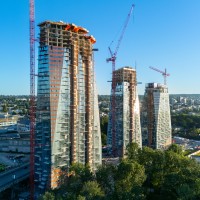
Wellington (Wednesday, 1 October 2025) – Canadian First Nations are helping tackle Canada’s housing crisis through council-like authority over their own land. A new report highlights this proven Canadian turnaround success story and draws lessons for New Zealand. Read more
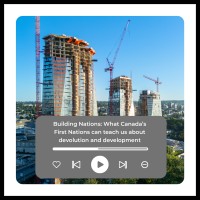
In this episode, Oliver talks to Eric Crampton, the New Zealand Initiative's chief economist, about his latest report Building Nations examining Canadian First Nations' experiences with autonomous land development and what New Zealand might learn from them. They discuss how Canadian reserves transformed from heavily regulated, impoverished areas into thriving self-governing communities that are now solving urban housing crises through major development projects like the Squamish Nation's apartment towers in downtown Vancouver. Read more


Last week, Treasury released yet another warning about New Zealand’s fiscal future. It was the same message they have been delivering for twenty years: population ageing will create spending pressures that the current tax base cannot support. Read more
Dr Eric Crampton talked to Ryan Bridge on Newstalk ZB about the Reserve Bank's recent self-review, which found the bank was too slow to raise interest rates after COVID-19. He argued the Reserve Bank should have recognised earlier that it was dealing with a supply shock rather than a demand problem, noting that excessive money printing in response to COVID's economic disruption drove inflation to 7.3% and required painful interest rate hikes to bring it back under control. Read more